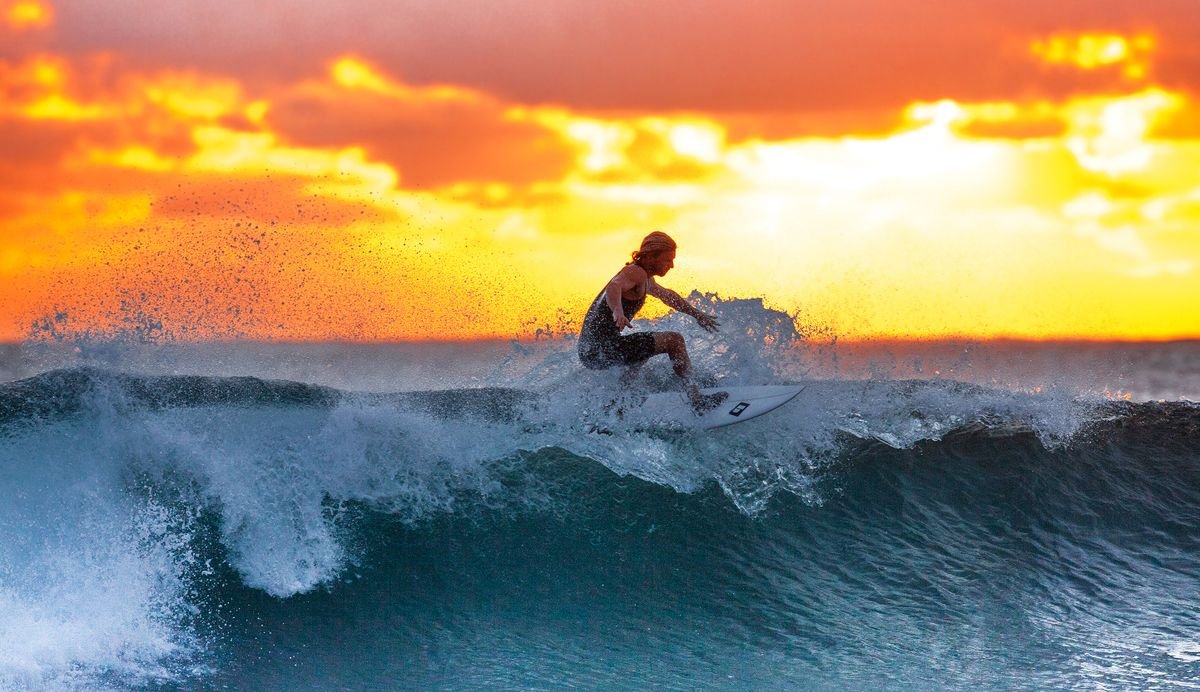
When your villa is 5 minutes from the break, you don't race the crowds. You wake up, have coffee on a cliffside terrace surrounded by jungle, and paddle out at dawn before the masses arrive from Seminyak or Canggu. When your villa has a sauna and an ice bath, you recover in hours instead of days. When it sleeps 15 and has a private chef, a group surf trip becomes effortless.
That's Sukacita Hill.
Right Next Door to Uluwatu's Best Surf Breaks
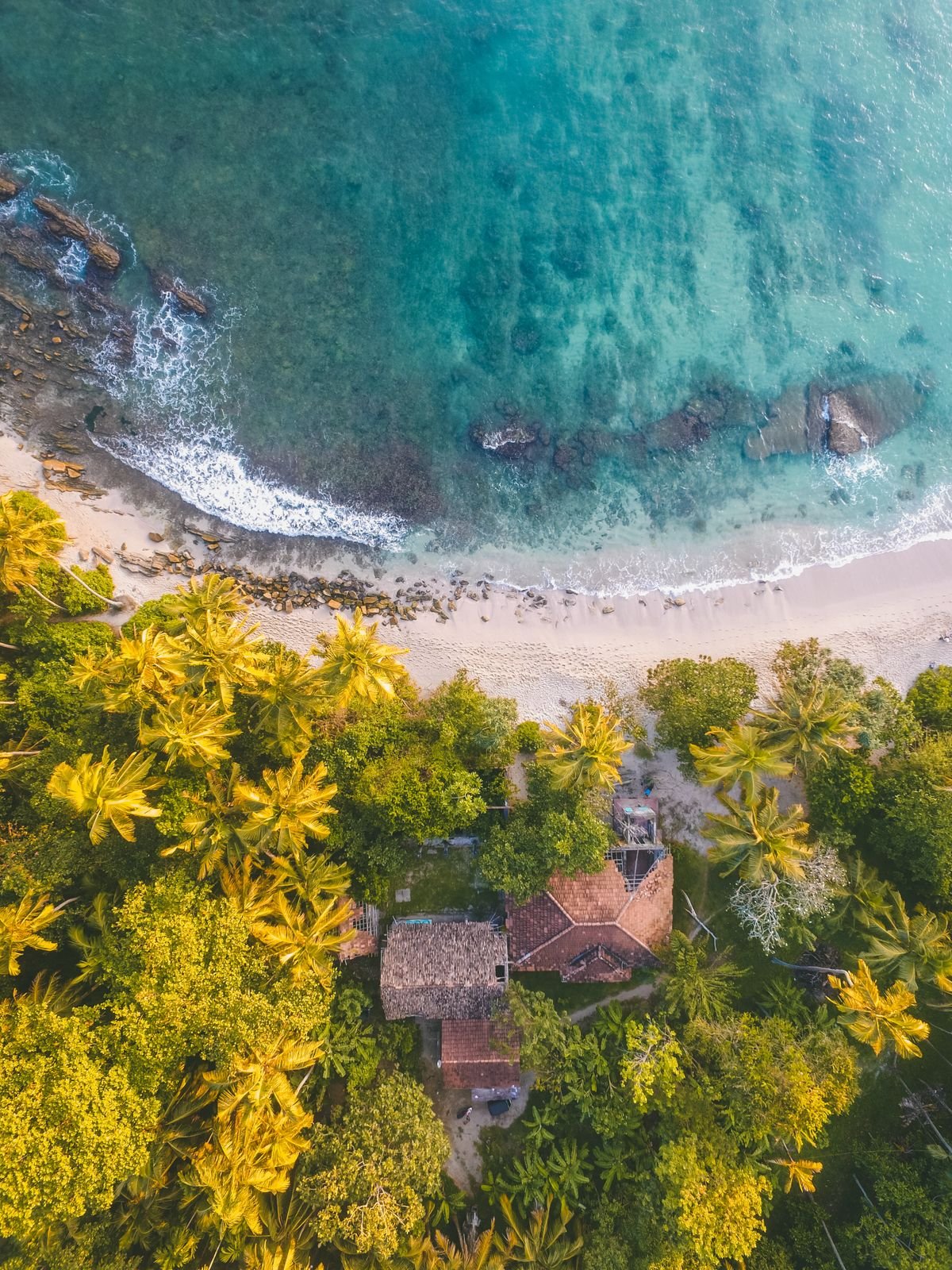
Sukacita Hill sits deep in the green hills of Uluwatu — surrounded by jungle, perched above the valley, completely private. What makes the location exceptional for surfers is proximity: three of Bali's best breaks are within a short scooter ride, without the noise and chaos of the tourist strip.
There's also the Uluwatu temple break itself — a powerful reef for experienced surfers — and Impossibles, a series of linked left-hand walls that fire on the right swell. Baby Padang, just inside the headland, is the more forgiving reef option for those still building confidence on reef breaks.
The point: wherever your level, wherever your mood, you're in the middle of it all.
The Problem With Surf Trips Nobody Plans For
Here's something every serious surfer knows but rarely accounts for: surfing breaks your body down.
Especially at Uluwatu's reef breaks. Two to three hours paddling against rip current, duck-diving solid overhead sets, taking a few clean-up waves on the head — your shoulders, hips, and lower back are genuinely worked. Your inflammation response is running hard. If you do nothing about it, Day 2 feels worse than Day 1, and by Day 4 of a week-long trip you're surfing at maybe 60–70% of your capacity.
This is precisely why elite surfers, freedivers, and endurance athletes now treat contrast therapy as non-negotiable recovery protocol — not as a luxury, but as part of the training.
"After a session at Padang Padang, the sauna and ice bath at Sukacita is where the real work happens. You come out of that feeling like you've reset completely."
What Is Contrast Therapy — and Why Does It Work for Surfers?
Contrast therapy is the deliberate alternation between heat and cold exposure in structured cycles. The physiology is straightforward, and the evidence base is solid.
Blood vessels dilate significantly. Core body temperature rises. Circulation accelerates dramatically, pushing fresh blood into muscle tissue. Muscles relax. Metabolic waste products — lactic acid, inflammatory markers — begin to flush from tissue into the bloodstream for clearance.
Blood vessels constrict sharply. Inflammation is rapidly reduced. The cold stress triggers a norepinephrine spike — the same mechanism behind the mental clarity and alertness you feel after cold exposure. The body's repair and immune responses activate.
Cycling between heat and cold creates what physiologists call a "vascular pump." Your blood vessels alternately expanding and contracting drives freshly oxygenated blood deep into muscle tissue while clearing waste products far faster than passive rest alone. Two or three cycles deliver the full benefit.
For surfers specifically, the effects are highly practical:
- Shoulder inflammation from paddling resolves significantly faster
- Reef rash and minor skin trauma heal more quickly
- Sleep quality improves dramatically — and sleep is when the deepest repair happens
- Mental clarity the following morning is noticeably sharper
Research on elite athletes shows contrast therapy reduces delayed-onset muscle soreness (DOMS) by 20–30% compared to passive recovery. In practical terms: you surf better on Day 4 than you otherwise would have.
The Contrast Therapy Protocol at Sukacita Hill
Sukacita Hill's sauna is a proper dry sauna — not a spa steam room, not an infrared panel. Temperature runs 80–90°C with good airflow. The ice bath sits directly beside it, cold-plunged and maintained. The infinity pool is 30 seconds away.
After a morning session at Padang Padang or Bingin, the recovery protocol looks like this:
- Rinse off the salt water
- 15–20 minutes in the sauna — let the body heat through completely
- 3–5 minutes in the ice bath — commit to the cold, let the constriction response work
- 10 minutes resting in the shade, or a slow float in the pool
- Repeat one or two more cycles
- Eat
The whole sequence takes 45–60 minutes. Most guests nap for 90 minutes afterward and wake feeling genuinely restored — not depleted, not stiff, but ready. By evening, appetite is sharp, sleep comes deep, and by 5:45am the next morning the alarm isn't a fight.
Built for Groups of Surfers
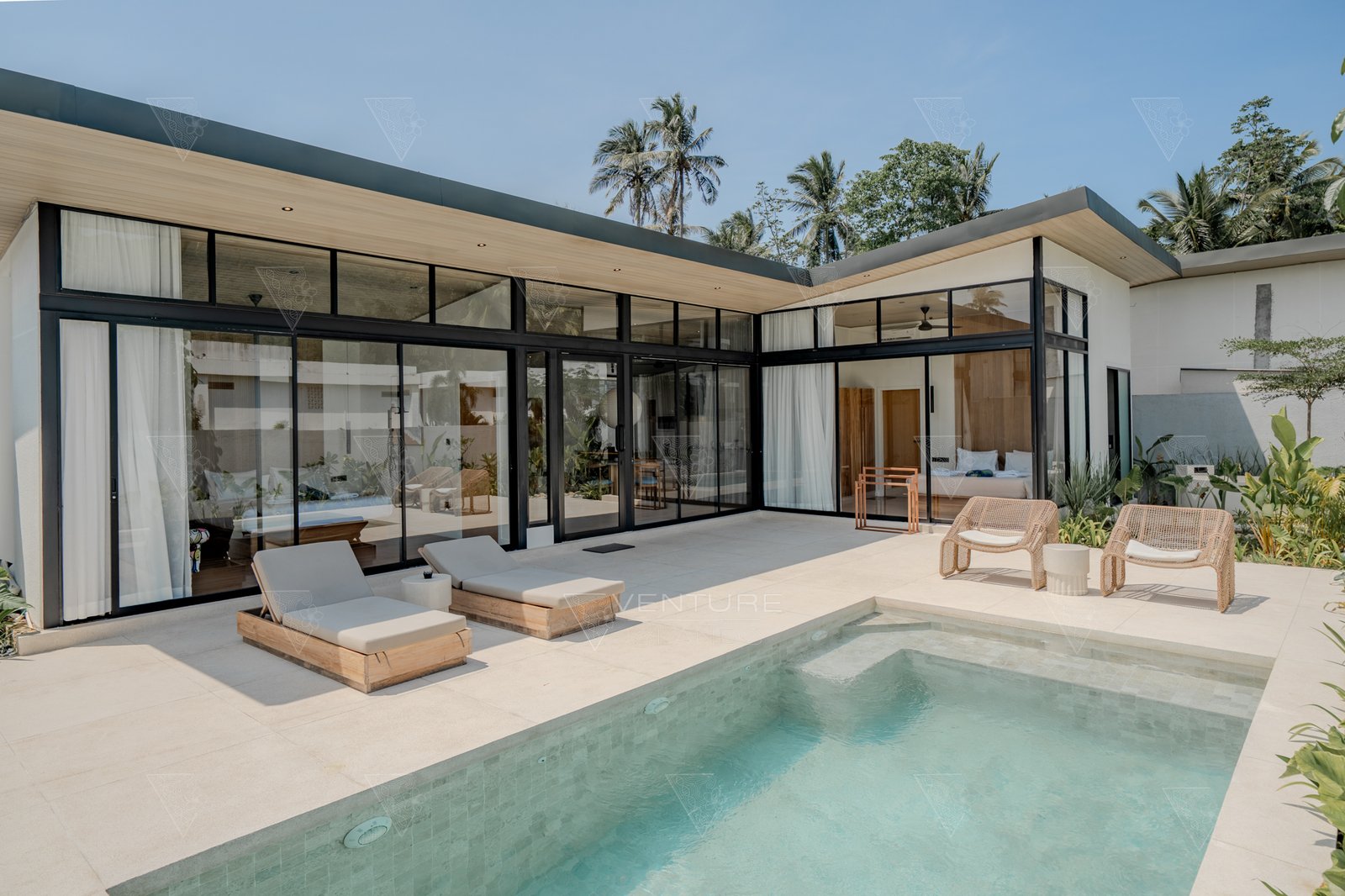
Sukacita Hill has six private ensuite bedrooms and accommodates up to 15 guests. That makes it purpose-built for exactly the kind of trip that's hard to pull off any other way: a private surf house for your whole group.
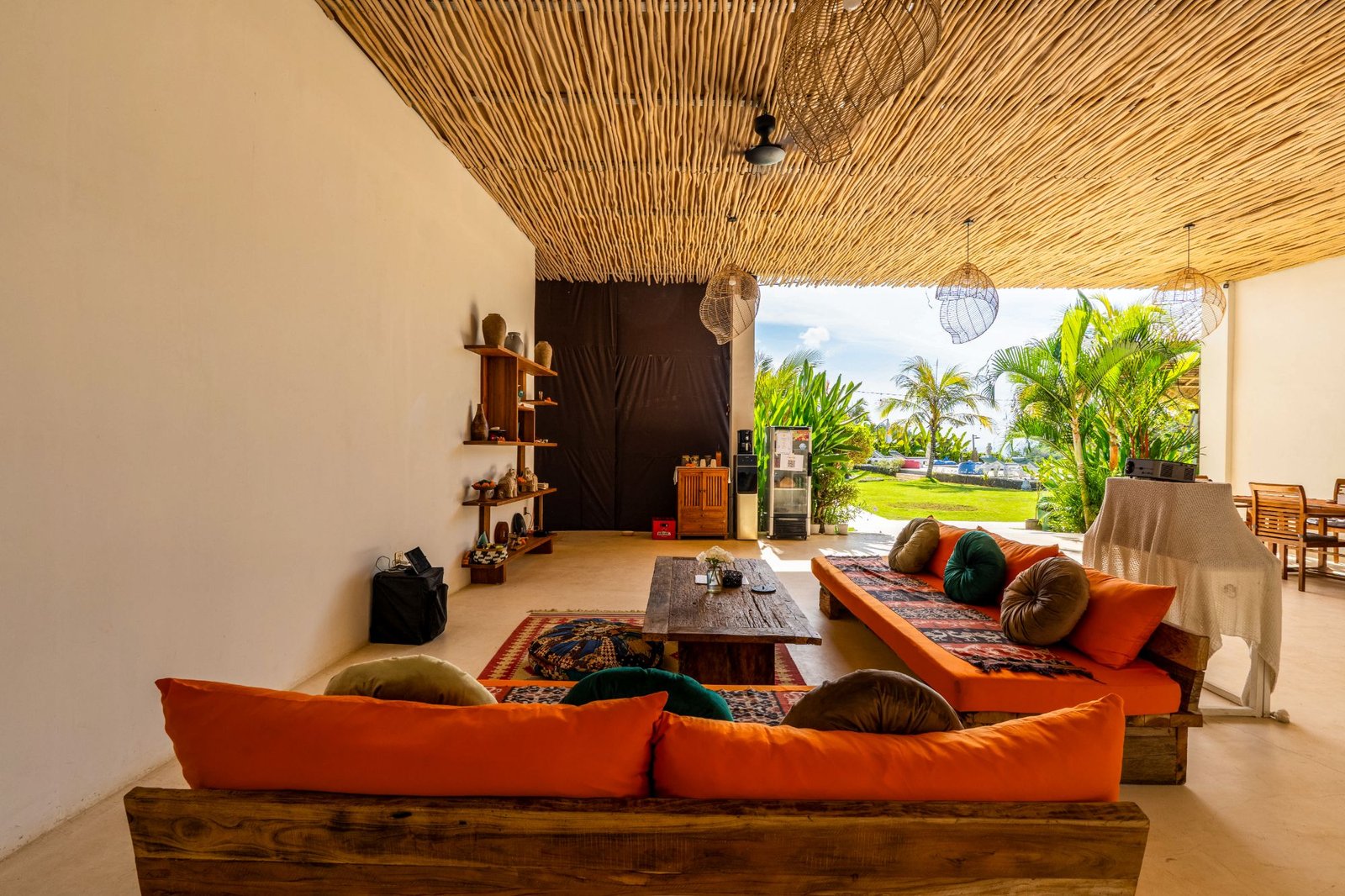
Think about what that means in practice. No shared hostel dormitories. No resort pool shared with strangers. No trying to coordinate restaurant bookings for ten people. A private chef handles all meals — you eat together, well, without logistics overhead. The sauna, ice bath, and infinity pool are exclusively yours. The yoga platform offers space for morning movement sessions before paddling out. The outdoor cinema — open-air, jungle-view — handles evenings without leaving the estate.
The villa sits in a genuine green setting: mango trees, valley views, birdsong in the early morning. After the intensity of reef surfing, the calm of the jungle is restorative in ways that beach clubs and Seminyak pools simply aren't. You're not running away from the noise — you're in a different ecosystem entirely.
For surf coaches or instructors running a private retreat: the combination of yoga platform for morning movement, sauna and ice bath for structured recovery, and the outdoor cinema for evening technique sessions or film nights creates a complete programme without leaving the property.
A Day at Sukacita Hill — The Surf Edition
A day at the villa
When to Come: The Uluwatu Surf Calendar
The best swell at Uluwatu runs April through October, when consistent south and south-west swells from the Southern Ocean light up Padang Padang, Bingin, and Impossibles. Peak season is June through August — the waves are most consistent, but so is the competition in the water and competition for accommodation.
The shoulder months — March–April and September–October — offer an excellent balance: solid swell, fewer crowds, and a more relaxed pace at the breaks. The wet season (November–February) occasionally produces the biggest, least-crowded swells of the year, and villa rates drop significantly.
Book early if you're planning a June–August trip. It's when the villa fills fastest, and the window for the right group size and dates closes quickly.
Book Direct and Save 15%
Sukacita Hill is listed on Airbnb, but direct bookings are always 15% below the Airbnb rate. For a group surf trip lasting 7–14 nights, that's a meaningful saving — money better spent on a private surf lesson at Padang Padang or an extra chef dinner.
Message us on WhatsApp with your dates and group size. We'll come back within a few hours with availability and your direct rate.